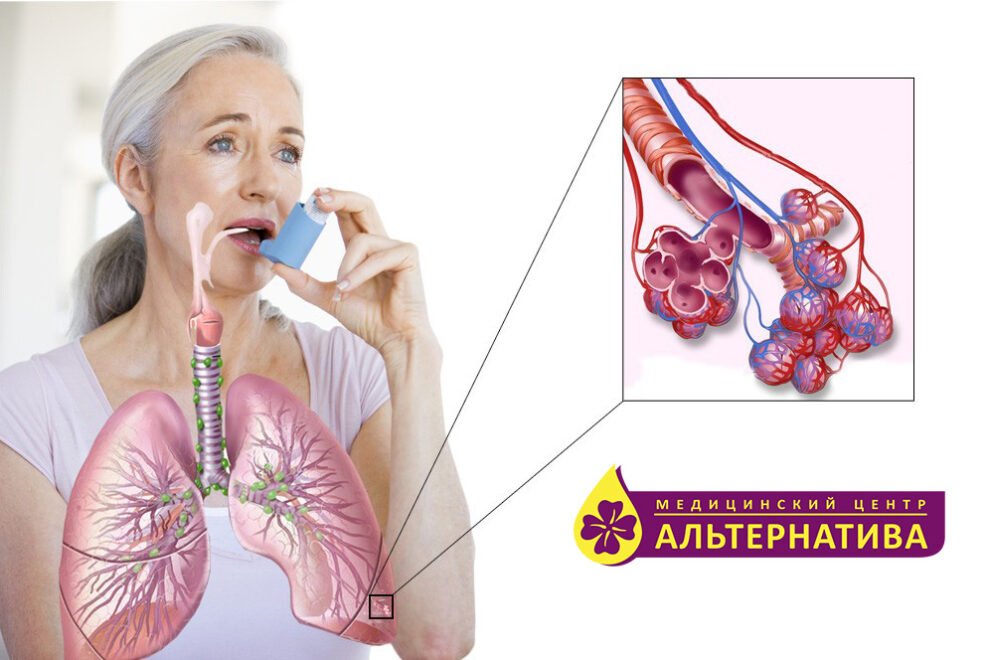
In the vast majority of cases, various types of allergic reactions occur in the presence of helminthic infestations, as well as in the context of impaired function of the liver, pancreas, and other digestive organs, and an excessive immune response of organs and tissues to a specific allergen.
Biochemical tests for allergies
Biochemical markers represent a wide range of indicators reflecting the functional state of internal organs, meaning that biochemical testing identifies substances that characterize the performance of specific organs.
Biochemical tests can be grouped as follows:
Protein metabolism markers, namely:
- total protein
- protein fractions: albumin, globulins of various classes IgA, IgM, IgG
- total IgE, a marker characteristic of allergic reactions. An elevated total IgE level indicates a predisposition to type I hypersensitivity reactions, which develop rapidly and are accompanied by IgE release into the bloodstream. Important: IgE is not only a marker of allergic reactions but also of parasitic infestations. A significant proportion of allergies develop against the background of, or directly due to, the presence of various parasites.
- specific IgE are grouped into panels for allergic reactions to inhalant, food, and drug allergens (anesthetics, antibiotics), including allergens of animal origin (feathers, animal and bird epithelium), plant origin (pollen), and infectious origin (fungi and mold, mites), etc.
Liver function tests in allergies:
- total, direct, and indirect bilirubin
- alanine aminotransferase (ALT)
- aspartate aminotransferase (AST)
- alkaline phosphatase
- gamma-glutamyl transferase (GGT)
- thymol test
Biochemical indicators of pancreatic function, including carbohydrate metabolism parameters:
- pancreatic amylase
- alpha-amylase
- blood glucose
- insulin
- glycated hemoglobin (HbA1c)
- HOMA-IR index
- C-peptide
Along with the liver, pancreatic function is highly important in allergic conditions.
Lipid profile
reflects the function of internal organs, primarily the liver:
- cholesterol
- triglycerides
- high-density lipoproteins (HDL)
- low-density lipoproteins (LDL)
- very-low-density lipoproteins (VLDL)
- atherogenic coefficient
Renal function tests
reflect how effectively the kidneys eliminate toxic and metabolic waste substances:
- creatinine
- urea
- uric acid
Celiac disease diagnostics
extremely important in food allergies:
- IgA antibodies to deamidated gliadin peptides
- IgG antibodies to deamidated gliadin peptides
- IgA antibodies to tissue transglutaminase
- IgA/IgG/IgE antibodies to tissue transglutaminase
- IgE antibodies to gluten allergens
- total immunoglobulin IgA
- intrinsic factor (Castle factor)
Rules for allergy testing
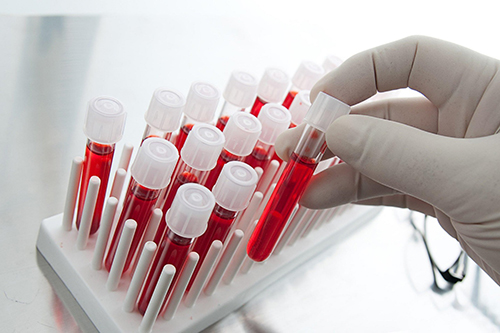
The optimal time for blood collection is in the morning on an empty stomach, at least 8 hours after the last meal. Three days before testing, it is recommended to avoid fatty foods and alcohol, and on the day before to avoid excessive physical exertion. On the day of testing, smoking is not recommended.