
Dust allergy is a reaction of the body’s immune system to various substances contained in dust.
How does dust allergy develop?
When a person with a dust allergy comes into contact with allergens (substances that trigger an allergic reaction), their immune system perceives them as harmful and begins producing antibodies to protect the body. This leads to the release of chemicals such as histamine, which cause various allergy symptoms.
Common allergens in dust
- Fungi and their spores
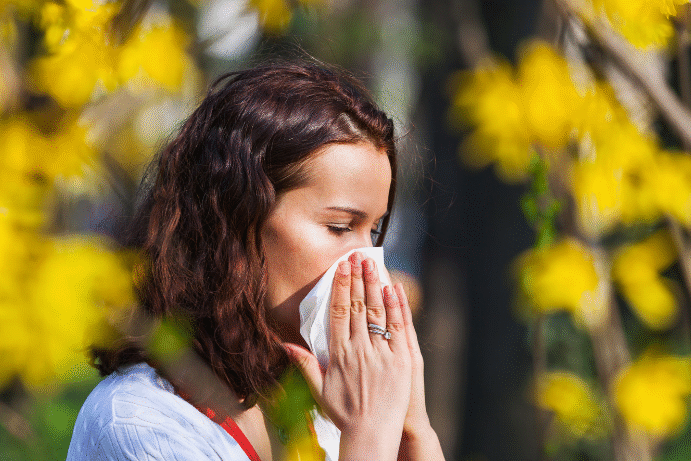
- Pollen from plants, especially in spring and summer during the flowering season
- Pollen from indoor plants
- Microscopic house dust mites (mainly Dermatophagoides pteronyssinus and Dermatophagoides farinae)
- Animals such as cats, dogs, or other furry pets. Their fur or dander can become part of household dust
- Air pollutants and chemical substances that can interact with dust particles and intensify allergic reactions
- Genetic predisposition may also play a role in the development of dust allergy
If one or both parents have allergic reactions to dust or other allergens, the likelihood of developing allergies in children increases.
Symptoms of dust allergy
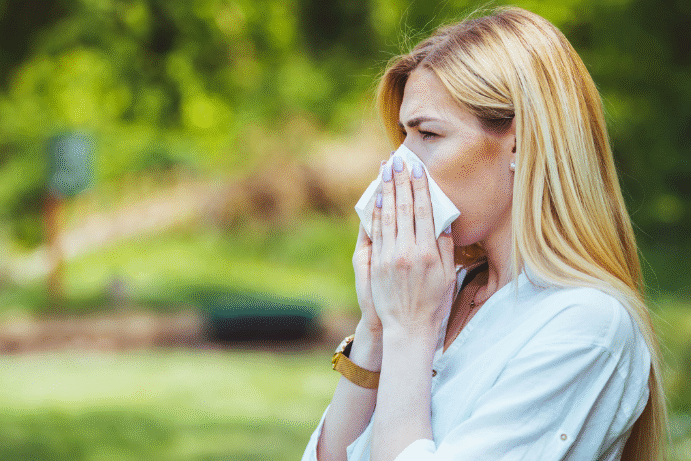
Dust allergy symptoms may include a runny nose, nasal congestion, sneezing, itchy eyes and skin, coughing, and difficulty breathing. In more severe cases, dust allergy may trigger asthma or worsen existing respiratory conditions.
Dust allergy can manifest in various symptoms depending on individual characteristics.
Most common symptoms of dust allergy:
- Runny nose: persistent or intermittent nasal discharge and congestion
- Sneezing: frequent and repeated sneezing fits
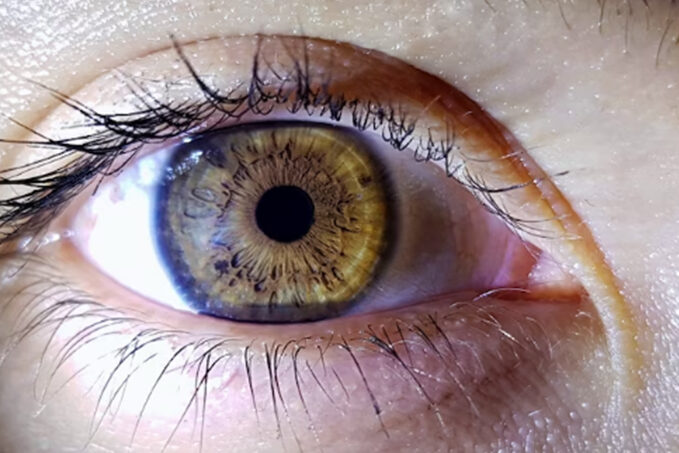
- Itchy eyes: itching, irritation, or redness of the eyes
- Cough: dry cough that may worsen at night or early in the morning
- Difficulty breathing: in some cases, dust allergy can worsen existing respiratory conditions and cause shortness of breath
- Fatigue and irritability: allergic reactions may cause general malaise, tiredness, and mood changes
- Night sweating: in some people, dust allergy may cause sweating during sleep
- Skin reactions: itching and rashes may occur in some individuals
These symptoms usually appear after contact with dust or dust allergens and may worsen in environments with high dust levels or exposure to other allergens.
Types of dust allergy
Dust allergy can be triggered by different allergens contained in dust or interacting with it.
- House dust allergy: the main allergens are microscopic mites such as Dermatophagoides pteronyssinus and Dermatophagoides farinae, which live in household dust. Allergens may also include mite body fragments, feces, and secretions.
- Pollen allergy: pollen from trees and grasses can be an allergen for some people. Symptoms may worsen during the flowering season.
- Indoor plant allergy: people with asthma or allergic rhinitis may react to spores and allergens associated with indoor plants.
- Fungal allergy: fungi can grow in dust, especially in damp conditions. Their spores can act as allergens.
- Animal allergy: pets such as cats, dogs, or rodents may be a source of allergens that spread through household dust. These include proteins found in saliva, urine, fur, or dander.
- Air pollutant allergy: some allergic reactions may be caused by interaction between dust allergens and air pollutants such as smoke, vehicle emissions, and other chemicals.
Comprehensive diagnosis of dust allergy
Comprehensive diagnosis of dust allergy includes a range of methods and procedures that help identify triggering allergens, determine the level of allergic response, and develop the most effective treatment plan.
- Medical examination and medical history review: the doctor will conduct a detailed discussion about your symptoms, their frequency, possible triggers, and allergen sources in your environment.
- Skin allergy tests: during skin testing, small amounts of standard allergens, including dust allergens, are applied to the skin using small needles or applicators. The skin’s reaction is then evaluated. A positive reaction appears as redness and swelling.
- Blood tests: allergy blood tests (such as ImmunoCAP) measure antibody levels to various allergens, including dust allergens. These tests help determine sensitivity and identify triggers.
- Exclusion of other conditions: the doctor may rule out other diseases with similar symptoms such as chronic rhinitis, respiratory infections, or medication reactions.
- Provocation tests: in some cases, controlled exposure to an allergen may be used to confirm dust allergy and assess the body’s response.
- Whole body assessment using the Medical Expert Complex diagnostic system: to determine the causes of the condition and factors affecting chronic or acute health states, an additional full body analysis is performed.
All organs and systems are assessed: immune system condition; allergens; viral load; bacterial load; fungal load; detected parasites; vitamin and micronutrient deficiencies; ENT organs; bronchopulmonary system; cardiovascular system; gastrointestinal tract; liver and gallbladder; pancreas; kidneys and urinary system; reproductive organs; musculoskeletal system; nervous system; endocrine system; and foods not recommended for consumption.
After receiving diagnostic results, the doctor can establish an accurate diagnosis and develop a treatment plan.
It is important to avoid contact with known allergens and, if necessary, take medications recommended by an allergist to relieve symptoms and reduce allergic reactions to dust.
Treatment of dust allergy at Medical Center “Alternative”
Treatment of dust allergy usually includes several approaches:
- Avoiding allergens: it is important to minimize contact with triggering allergens. This may include improving home ventilation, regular cleaning, using special mattress and pillow covers to prevent dust mite reproduction, and reducing contact with pets if they trigger allergic reactions.
- Medication treatment: a doctor may prescribe antihistamines to relieve symptoms such as nasal congestion, sneezing, and itchy eyes.
- Outpatient or inpatient cleansing program lasting 5–10 days. Body detoxification helps remove toxins, restore metabolism, support weight reduction, and improve the function of the intestines, liver, gallbladder, lymphatic, and circulatory systems.
- Examinations: abdominal ultrasound, laboratory tests, and body assessment using the Medical Expert Complex diagnostic system.
- Detox program: accommodation; nutrition; herbal teas; massages; ozonated water; rectal insufflations with oxygen ozone mixture; ear canal insufflation with oxygen ozone mixture; cleansing enemas; blind probing of the gallbladder and liver (tubage); cleansing of the small and large intestines (orthograde method)
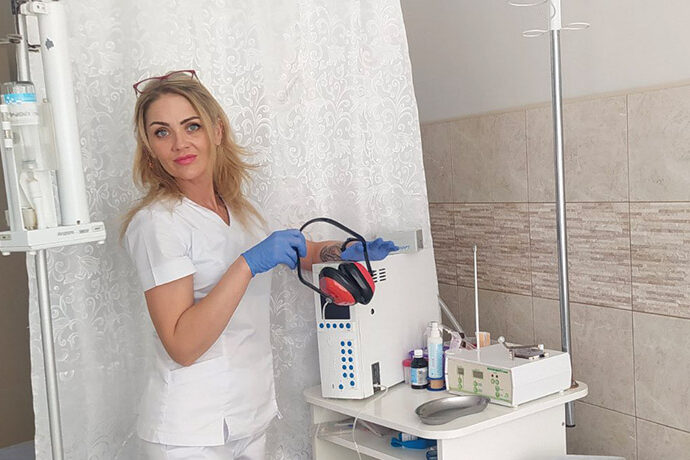
- Ozone therapy: intravenous therapy, rectal insufflations, sanitation of the upper respiratory tract with oxygen ozone mixture, intake of ozonated water, ozonated oil
- Antiparasitic programs
- Pressotherapy: lymphatic system cleansing
- Visceral massage of internal organs: helps normalize metabolic processes, reduce intestinal spasms, cleanse mucus and parasites, reduce visceral fat, and stimulate liver, gallbladder, and pelvic organ function
- Correction of the body condition using the Medical Expert Complex diagnostic system
Advantages of diagnosing and treating dust allergy at Medical Center “Alternative”
- Author’s method of dust allergy treatment: normalization of the body’s overall condition
- Modern equipment: the clinic uses the Medical Expert Complex diagnostic system, laboratory testing, and proprietary body restoration methods for accurate diagnosis and effective treatment.
- Individual approach: doctors tailor treatment to each patient’s condition and medical history.
- Wide range of services: diagnostics, laboratory tests, specialist consultations, and treatment programs.
- High level of service: convenient appointments, informative consultations, patient care, and accessibility.
- Inpatient center with accommodation and meals.