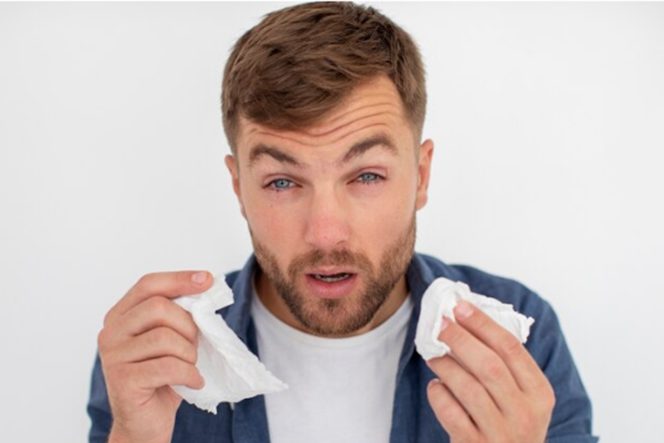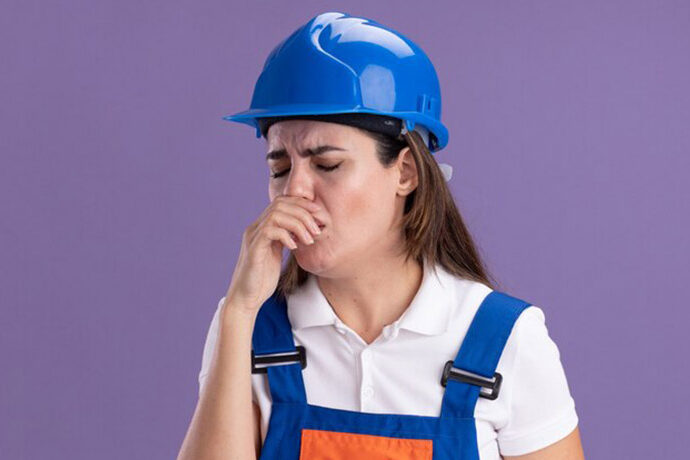
Respiratory allergic diseases such as allergic rhinitis (hay fever) and allergic asthma are caused by an allergic reaction of the body to various substances known as allergens. Allergens include plant pollen, dust, dust mites, mold, animal dander, and others.
The symptoms of respiratory allergic diseases depend on the type of allergy and the individual characteristics of the patient, but they usually include:
Allergic rhinitis:
- runny nose, nasal congestion
- sneezing
- itching in the nose, throat, or eyes
- watery nasal discharge
- red eyes, tearing
Allergic asthma:
- difficulty breathing
- coughing attacks, especially at night or early in the morning
- wheezing sounds when breathing
- chest tightness
Causes of respiratory allergic diseases
Respiratory allergic diseases occur as a result of the body’s allergic reaction to certain substances called allergens.
The most common causes of respiratory allergic diseases:
- One of the main sources of allergies is pollen from various plants, including trees, grasses, and flowers. When pollen enters the body of an allergic person, the immune system reacts by producing IgE antibodies, which leads to the development of allergic rhinitis and other symptoms.
- Dust and dust mites. Household dust contains many allergens, including insect fragments, mold, and dust mite droppings. Dust mites are microscopic organisms that feed on dead skin cells and live in carpets, mattresses, upholstered furniture, and other places where dust accumulates.
- Fungal mold can grow in damp and dark places such as bathrooms, kitchens, or basements. Mold spores can trigger allergic reactions, especially in people prone to allergies.
- Animals, especially cats, dogs, horses, and rodents, can be a cause of respiratory allergies. Allergens include animal saliva, urine, fur, or skin flakes. Contact with these allergens can trigger symptoms of allergic rhinitis and asthma.
- Environmental allergens such as smoke, air pollution, chemicals and aerosols, perfumes, medications, and food allergens.
The most common forms of respiratory allergic diseases are allergic rhinitis (hay fever) and allergic asthma.
Symptoms of allergic rhinitis
- runny nose, nasal congestion
- sneezing
- itching in the nose, throat, or eyes
- watery nasal discharge (rhinorrhea)
- red eyes, tearing
- feeling of ear congestion
- headache
- reduced sense of smell
- constant feeling of fatigue and irritability
Symptoms of allergic asthma
- difficulty breathing
- frequent coughing attacks, especially at night or early in the morning
- wheezing sounds when breathing (chest wheezing)
- chest tightness
- coughing after physical exertion or contact with an allergen
- reduced physical endurance
- asthma attacks triggered by contact with allergens or irritants
Some patients with respiratory allergic diseases may also experience headaches, fatigue, drowsiness, and reduced concentration.
Allergy symptoms may be seasonal (related to a specific time of year and plant pollen) or persistent (constant). If you suspect a respiratory allergy, it is recommended to consult an allergist for diagnosis and appropriate treatment.
Diagnosis of respiratory allergic diseases
Diagnosis of respiratory allergic diseases includes medical examination, medical history, physical examination, and allergy testing. Allergy tests include skin tests, where small amounts of allergens are applied to the patient’s skin to check the reaction, or blood tests for IgE antibodies.
- Medical examination and history taking: discussion of symptoms, their onset, seasonality, and factors that may worsen or relieve them. It is important to inform the doctor about previous allergic reactions or reactions to certain substances.
- Skin allergy tests help determine which allergens you react to. Two main types are usually used:
- Skin prick tests – small amounts of different allergens are applied to the skin (usually on the forearm) using a fine needle or lancet. The skin reaction is then assessed to determine whether an allergic response occurs.
- Intradermal tests – a small amount of allergen is injected into the upper layer of the skin using a needle. The skin reaction is then evaluated.
- Blood tests to measure IgE antibody levels: total IgE or specific IgE tests help identify the allergens you react to.
- Provocation tests – special procedures in which you are exposed to a potential allergen in a controlled environment to assess the body’s reaction.
Comprehensive treatment of respiratory allergic diseases
Comprehensive treatment of respiratory allergic diseases usually includes several approaches to relieve symptoms and control the allergic reaction.
General treatment methods for respiratory allergic diseases:
- Avoidance of allergens: try to minimize contact with known allergens such as pollen, dust, mold, or animals. For example, regular home cleaning, using anti-pollen filters for air conditioners, and installing special mattress and pillow covers to protect against dust mites.
- Medication treatment:
- Antihistamines are used to relieve symptoms such as nasal congestion, sneezing, and itching
- Inhaled glucocorticosteroids are used to control allergic rhinitis and asthma
- Bronchodilators are used to widen the airways and relieve asthma symptoms
- Immunotherapy – a specific treatment carried out under the supervision of an allergist. It involves the gradual introduction of small doses of an allergen to reduce the body’s sensitivity and decrease allergy symptoms in the long term.
- Environmental control includes recommendations for creating a safe and healthy environment, including reducing allergen levels.
Here are some recommendations:
- Home environment:
- regular cleaning to remove dust and dust mites
- use of anti-allergen mattress and pillow covers to reduce exposure
- regular washing of bedding in hot water to eliminate dust mites
- use of a vacuum cleaner with a HEPA filter (High Efficiency Particulate Air filtration system) to capture allergens
- maintaining low humidity indoors to prevent mold growth
- Outdoor environment:
- monitor pollen forecasts and avoid being outdoors during peak pollen periods
- wash your face and hands after being outdoors to remove pollen
- avoid walking during strong winds that can spread pollen
- upon returning home, change clothes and wash your hair to remove pollen from the body
- Other measures:
- avoid contact with pets if you are allergic to their fur or dander
- use special masks if you must be in allergen-rich environments, such as cleaning or gardening
- an air purifier or humidifier with a HEPA filter can help remove allergens from the air
Whole-body recovery program at Medical Center “Alternativa”
Program conducted in an inpatient setting for 5–10 days or in an outpatient center
- accommodation in a single or double room / outpatient care
- examination: doctor consultations, abdominal ultrasound (liver, gallbladder, bile ducts, pancreas, spleen) and kidneys, ECG, detection of viruses, bacteria, parasites, vitamin and micronutrient deficiencies, food intolerances using the Medical Expert Complex, laboratory tests
- hypoallergenic nutrition: vegetarian diet, raw food diet, juice therapy
- therapeutic fasting for 10–15 days
- detoxification program: cleansing of the large and small intestines, liver and gallbladder, kidneys, antiparasitic, choleretic and kidney teas, massage
- ozone therapy methods: intravenous administration of ozonated saline solution, major autohemotherapy with ozone, ENT sanitation with oxygen-ozone mixture, rectal insufflations of oxygen-ozone mixture, intake of ozonated water, ozonated oil intake, external application of ozonated oil, vaginal insufflations of oxygen-ozone mixture, injections around joints (muscles along the spine) with oxygen-ozone mixture, sanitation of urethra and bladder with oxygen-ozone mixture
- correction of pathological processes in the body using the Medical Expert Complex: targeting parasitic, fungal, and viral flora
- visceral therapy: internal organ massage
- photon therapy
- pressotherapy: аппаратный lymphatic drainage massage
- duodenal gallbladder probing
- spinal traction using the “Ormed-Professional” device