
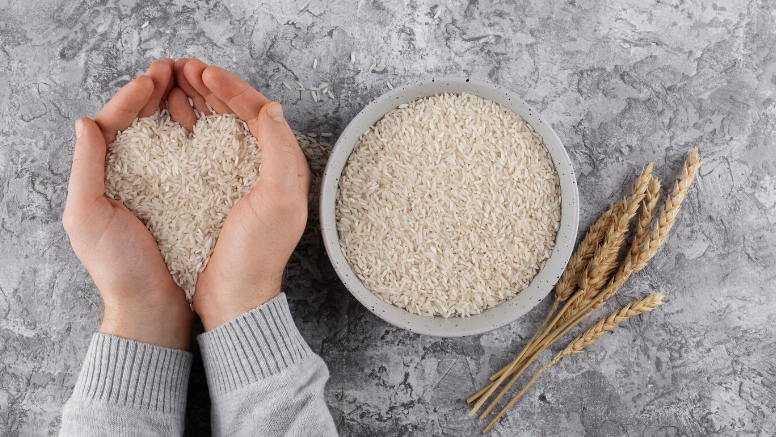
Rice allergy is possible, although it is a relatively rare type of food allergy. Rice is one of the staple foods in many countries around the world and is usually considered to have low allergenic potential.
However, like any other food product, rice can cause an allergic reaction in some people.
Symptoms of rice allergy
Symptoms of rice allergy may include itching or swelling around the mouth, rash, runny nose, watery eyes, skin redness and itching, as well as more severe symptoms such as anaphylaxis.
If you suspect a rice allergy, it is recommended to consult an allergist or immunologist for allergy testing and to receive guidance on further treatment and management of allergic reactions.
Rice allergy: diagnosis
Diagnosis of rice allergy includes various methods such as medical history, physical examination, skin tests, and blood tests.
- Medical history and physical examination can help the doctor determine whether there are signs of a rice allergy. The doctor may ask questions about symptoms that occur after consuming rice, such as itching, rash, swelling, runny nose, watery eyes, etc.
- Physical examination is performed to identify signs of an allergic reaction on the skin or in other areas of the body.
- Skin tests can help detect an allergic reaction to rice. This test involves applying a small amount of rice flour to the skin, after which the skin is lightly pricked to introduce a small amount of the substance under the skin. If redness, swelling, or itching appears, this may indicate a rice allergy.
Blood tests may be used to determine the level of IgE antibodies in the blood, which may indicate the presence of a rice allergy.
Treatment of rice allergy
Treatment of rice allergy focuses on relieving symptoms and preventing future allergic reactions. Here are several methods that may help:
- Avoid consuming rice and rice-containing products if you have already been diagnosed with a rice allergy. If you accidentally consume products containing rice and experience an allergic reaction, you should immediately take steps to relieve the symptoms.
- Take antihistamine medications to relieve allergic symptoms such as itching, rash, and runny nose.
- In severe cases of rice allergy, treatment of anaphylaxis may be required, which may include hospitalization.
- Consult an allergist for advice and treatment prescription. It is necessary to choose a specific diet and treatment plan that can help manage allergic reactions.
- Detoxification program in an inpatient or outpatient setting for 5–10 days to restore the function of the gastrointestinal tract, gallbladder, and liver.
- Course of treatment using ozone therapy methods
- Pressotherapy: lymphatic system cleansing
- Outpatient or inpatient detox program for 5–10 days. Cleansing the body helps eliminate toxins and waste, restore metabolism, support weight loss, and improve the function of the intestines, liver, gallbladder, lymphatic, and circulatory systems.
- Examinations: abdominal ultrasound, laboratory tests, and assessment of the body using a Medical Expert Complex system.
- Detox program: accommodation, nutrition, herbal teas, massages, ozonated water, rectal insufflations of an oxygen-ozone mixture, ear canal insufflation with oxygen-ozone mixture, cleansing enemas, blind probing (tubage) of the gallbladder and liver, cleansing of the small and large intestine (orthograde)
- Ozone therapy: intravenous administration, rectal insufflations, sanitation of the upper respiratory tract with oxygen-ozone mixture, intake of ozonated water, ozonated oil
- Antiparasitic programs
- Pressotherapy – lymphatic system cleansing
- Visceral massage – internal organ massage: helps normalize metabolic processes, reduce intestinal spasms, eliminate mucus and parasites, reduce visceral fat, and activate liver, gallbladder, and pelvic organ function
- Spinal traction on the “Ormed Professional” device
- Photon therapy
- Duodenal gallbladder probing
Overall, for the treatment of rice allergy, it is important to follow the doctor’s recommendations, avoid contact with rice and rice-containing products, and take necessary measures in case of an allergic reaction.
Why cleanse the liver in case of allergies?
The liver plays an important role in the functioning of the body’s immune system, and its health may influence the development of allergic reactions. Some studies suggest that impaired liver function may increase the risk of allergies and intensify their symptoms.
In particular, the liver is responsible for filtering toxins and other harmful substances from the blood. If the liver does not function properly due to disease or other factors such as long-term alcohol consumption, toxins may accumulate in the blood, increasing the risk of allergic reactions.
In addition, certain liver diseases such as cirrhosis or hepatitis may cause immune system imbalance, which can lead to allergic reactions.
In some liver conditions such as jaundice, increased sensitivity to certain foods, including allergens, may occur.
Therefore, good liver health may be an important factor in preventing allergic reactions. If you have liver disease or are concerned about your liver health, it is important to consult a doctor for diagnosis and recommendations to improve liver function and reduce the risk of allergic reactions.