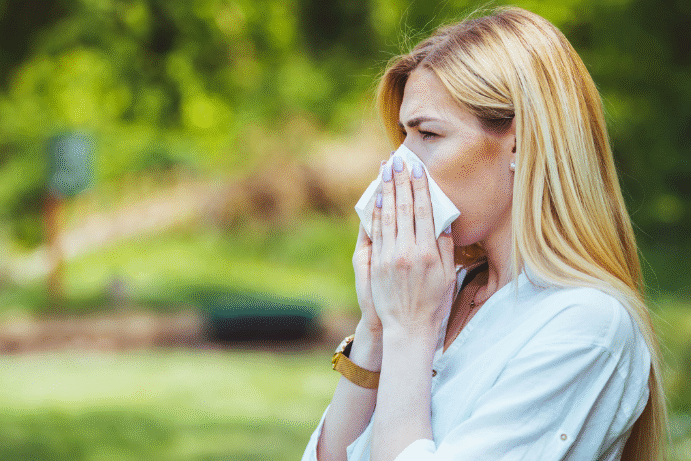

Allergic tracheobronchitis is an inflammatory disease affecting the trachea and bronchial tubes and caused by an allergic reaction. Allergic tracheobronchitis often develops as a result of exposure to allergens such as plant pollen, dust, dust mites, mold, or animal fur.
Symptoms of allergic tracheobronchitis
- dry cough or cough with a small amount of mucus
- difficulty breathing or shortness of breath
- sudden coughing attacks, especially at night or after contact with an allergen
- weakness and fatigue
- chest pain or discomfort
To diagnose allergic tracheobronchitis, a physician performs a physical examination, takes a medical history, conducts allergy tests (such as skin tests or blood tests), and evaluates lung function.
Causes of allergic tracheobronchitis
Allergic tracheobronchitis is usually caused by an allergic reaction to specific substances called allergens.
Common causes of allergic tracheobronchitis:
- Plant pollen, especially during the flowering period, can be a strong allergen that triggers reactions in people predisposed to allergic respiratory conditions
- Household dust: dust mites and microscopic organisms living in household dust, especially in bedding, mattresses, upholstered furniture, and carpets
- Mold: mold spores present in damp and moldy places such as bathrooms, kitchens, or basements cause allergic reactions
- Pets: fur, skin particles, saliva, and urine of pets can act as allergens in sensitive individuals
- Air irritants: chemical substances such as smoke, fumes, aerosols, as well as air pollution, can trigger allergic reactions in some people and contribute to the development of tracheobronchitis
- Food products: dairy products, eggs, wheat, nuts, or seafood
- Parasites, helminths, viruses, fungi
- Body toxin overload, excessive accumulation of GMO products in the body, medications, and excess body weight
Helminths, parasites, fungi, and viruses as a cause of allergic tracheobronchitis
Helminths, parasites, fungi, and viruses are considered causes of allergic tracheobronchitis. Allergic tracheobronchitis is associated with an immune system allergic reaction to specific allergens and to the activity of helminths, parasites, fungi, and viruses in the human body.
- Parasitic and fungal infections cause symptoms that resemble allergic tracheobronchitis
- Ascariasis, an infection caused by roundworms, leads to cough and shortness of breath in some people. This is associated with an allergic reaction and the presence and activity of parasites in the body
- Viral infections also cause inflammation of the respiratory tract, including tracheobronchitis, but in this case inflammation is caused by the direct effect of the virus on the airway mucosa rather than an allergic reaction
To exclude parasitic, fungal, or viral effects on the body, it is necessary to consult a physician for proper diagnosis and treatment, and to undergo testing of the body for the presence of helminths, parasites, fungi, and viruses at the Medical Expert Complex, as well as laboratory testing.
Diagnosis of allergic tracheobronchitis
- Medical examination and history: discussion of symptoms, medical history, and possible risk factors. This helps determine whether there is a connection between symptoms and potential allergens.
- Allergy tests: to identify specific allergens causing reactions, a physician prescribes allergy testing. The most common methods are skin tests (application of small amounts of allergens to the skin and observation of reaction) and blood tests (determination of IgE antibody levels associated with allergy to specific allergens).
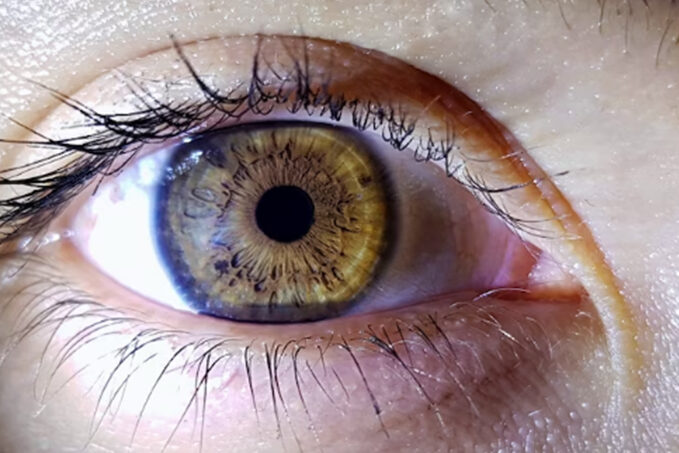
- General health assessment: in addition to laboratory tests and ultrasound at the “Alternative” medical center, a whole-body assessment is performed using the Medical Expert Complex system. It includes evaluation of: immune system; allergens; viral load; bacterial load; fungal load; detected helminths; vitamin and microelement deficiencies; ENT organs; bronchopulmonary system; cardiovascular system; gastrointestinal tract; liver and gallbladder; pancreas; kidneys and bladder; reproductive organs; musculoskeletal system; nervous system; endocrine system; non-recommended food products
- Diet selection: if food allergy is suspected, an elimination diet or a trial exclusion period of certain foods from the diet is required.
Diagnosis of allergic tracheobronchitis is performed by a qualified physician at the “Alternative” medical center. The results help determine the exact cause of symptoms and develop the most effective treatment plan.
Laboratory tests for allergic tracheobronchitis
The following laboratory tests are used:
- Immunological blood tests: IgE antibody testing related to allergic reactions. Helps determine immune response to specific allergens.
- Eosinophil blood test: elevated eosinophils (white blood cells) indicate allergic reaction or airway inflammation.
- Skin tests: application of small amounts of allergens to the skin and observation of reactions to identify triggers.
- Bacteriological and mycological sputum analysis: performed if bacterial or fungal infection is suspected, to identify pathogenic microorganisms.
- Specific allergen immune tests: blood tests for antibodies to specific allergens or analysis of endotracheal biopsy material.
The exact list of laboratory tests depends on the clinical situation and suspected causes. Discuss necessary tests with your physician.
Treatment of allergic tracheobronchitis
Treatment of allergic tracheobronchitis includes several approaches aimed at reducing inflammation and allergic symptoms.
- Avoidance of allergens: identify allergens that trigger reactions and avoid contact with them. For example, during pollen season stay indoors or use a mask outdoors.
- Anti-inflammatory medications: inhaled glucocorticosteroids such as beclomethasone or fluticasone reduce inflammation in the trachea and bronchi.
- Bronchodilators: help widen the bronchi and ease breathing; available as inhalers or tablets depending on the condition.
- Antihistamines: reduce itching, coughing, and nasal symptoms if allergic rhinitis is present.
- Immunotherapy: gradual administration of small doses of allergens to increase tolerance.
- Preventive measures: regular home cleaning, hygiene, and bedding changes reduce allergen exposure.
- Parasite treatment program
- Food selection
Body cleansing methodology for allergic tracheobronchitis
- Outpatient or inpatient cleansing program for 5–10 days: detoxification helps remove toxins, restore metabolism, reduce weight, and normalize function of intestines, liver, gallbladder, lymphatic and circulatory systems.
- Examination: abdominal ultrasound, laboratory tests; full body assessment using the Medical Expert Complex
- Detox program: accommodation; nutrition; herbal teas; massage; ozonated water; rectal insufflation of ozone-oxygen mixture; ear canal insufflation of ozone-oxygen mixture; cleansing enemas; blind duodenal and liver drainage (tubage); cleansing of small and large intestines (orthograde)
- Lymphatic system cleansing: hardware lymphatic drainage massage effectively cleanses the lymphatic system in allergic tracheobronchitis, promoting toxin removal and reducing inflammatory reactions.
- improves lymph flow, reducing mucosal swelling and easing breathing
- strengthens immunity and reduces frequency of exacerbations
- combined with detox programs and ozone therapy accelerates recovery of the bronchopulmonary system
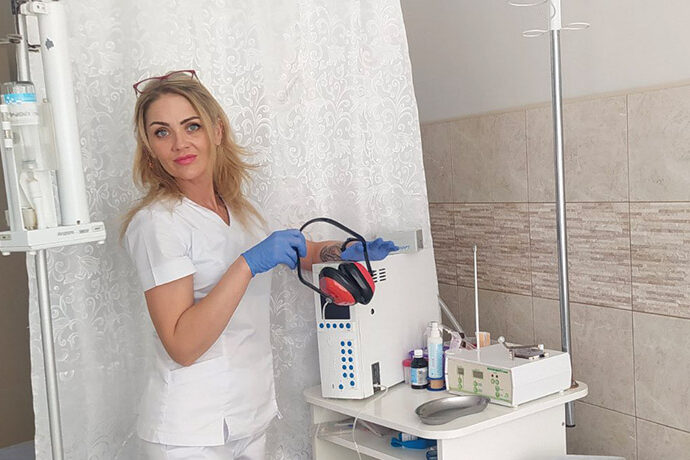
- Ozone therapy: intravenous, rectal insufflation, ENT ozone-oxygen treatment, intake of ozonated water and ozonated oil
- Parasite treatment programs
- Visceral massage (internal organ massage) helps normalize metabolic processes, reduce intestinal spasms, cleanse mucus and parasites, reduce visceral fat, and activate liver, gallbladder, and pelvic organ function
- Spinal traction on “Ormed Professional” device
- Photon therapy
- Duodenal gallbladder drainage in allergic tracheobronchitis helps eliminate bile stagnation and improve liver function, reducing toxic load on the body.
- promotes elimination of allergens and inflammatory products, reducing bronchospasm and mucosal swelling
- normalizes digestion and metabolism, improving immune system function
- accelerates recovery and reduces recurrence frequency
- prevents chronic inflammation and improves overall well-being
A comprehensive treatment approach allows not only symptom relief but also significant improvement in overall health.
It is important to consult a physician at the “Alternative” medical center to determine the most effective treatment plan for your specific case.
Liver function in fighting helminths, viruses, and parasites in allergic tracheobronchitis
The liver plays an important role in fighting infections, including helminths, viruses, and parasites.
- Drug metabolism: the liver is the main organ responsible for metabolizing medications, including antiparasitic and antiviral drugs
- Detoxification: filters blood and removes toxins and waste products, reducing immune burden
- Protein synthesis: produces immune proteins including antibodies and complement system components
- Storage and mobilization of nutrients: stores vitamins and minerals essential for immune function
Maintaining liver health is important through detoxification, proper nutrition, avoidance of harmful substances, adequate hydration, and physical activity.
Also effective is body cleansing, including liver cleansing using oil-acid tubage and magnesium-based tubage.
Gallbladder function in fighting infections that cause allergic tracheobronchitis
The gallbladder plays an important role in digestion and bile secretion, which supports fat digestion and absorption.
Gallbladder functions are also important for immune response against infections causing allergic tracheobronchitis.
- Bile secretion: bile released into the intestine has antimicrobial properties and helps prevent growth of certain pathogens
- Immune involvement: bile acids and bile components influence immune response and inflammatory activity of immune cells such as macrophages and lymphocytes
Normal gallbladder function and bile flow support overall health and immune defense against infections contributing to allergic tracheobronchitis.
Function of the large and small intestines in treatment of allergic tracheobronchitis
The large and small intestines play an important role in digestion and immune function.
- Gut microbiome: the intestines contain a rich ecosystem of microorganisms that support immune system balance
- Immune system interaction: a large portion of immune cells are located in the intestines; they regulate immune responses and contribute to allergy control
- Digestion and absorption: intestines absorb nutrients, vitamins, and minerals essential for immune health
Maintaining intestinal health is important in the treatment of allergic tracheobronchitis.
Types of ozone therapy for allergic tracheobronchitis
Ozone therapy is a treatment method based on the use of an ozone-oxygen mixture for medical purposes and is used for allergic tracheobronchitis.
Types of ozone therapy used at the “Alternative” medical center
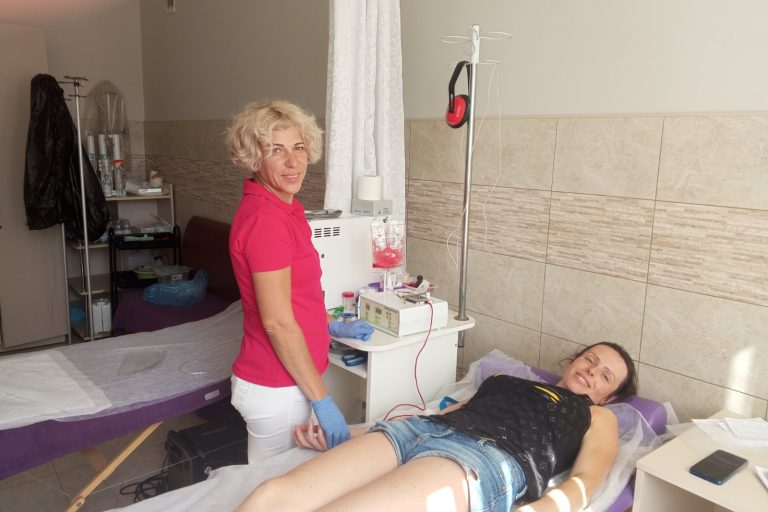
- Major autohemotherapy: 150 ml of blood is taken, mixed with ozone-oxygen mixture, and reinfused; improves oxygenation, activates immunity, and reduces inflammation
- Rectal ozone insufflation: ozone-oxygen mixture is administered into the rectum, supporting immunity and circulation
- ENT ozone insufflation: ozone-oxygen mixture is applied to ENT organs via special devices, reducing inflammation and improving respiratory function
- Ozonated water: distilled water saturated with ozone-oxygen mixture, supporting immunity, general condition, and gastrointestinal function
Hardware lymphatic drainage massage (pressotherapy) for allergic tracheobronchitis
Hardware lymphatic drainage massage is a physiotherapy method used in allergic tracheobronchitis. It stimulates the lymphatic system, improves microcirculation, and removes excess fluid and toxins from the body.
Effectiveness of hardware lymphatic drainage massage:
- Improved lymphatic drainage: enhances lymph flow and helps remove toxins and metabolic waste, reducing swelling and inflammation in the airways
- Reduced inflammation: improves blood circulation and tissue regeneration in the lungs and airways
- Improved breathing function: helps reduce shortness of breath in patients with allergic tracheobronchitis
- Immune system strengthening: stimulates immune response and improves protective functions
Before using lymphatic drainage massage, consultation with a physician is required to determine the appropriate treatment plan.