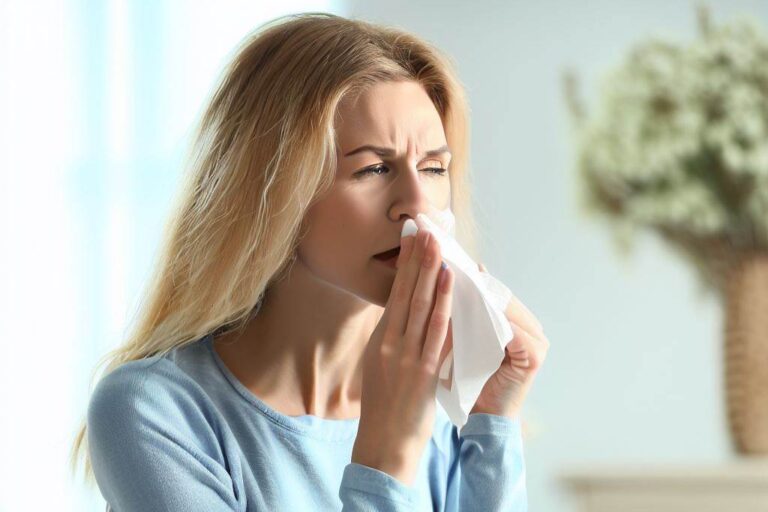
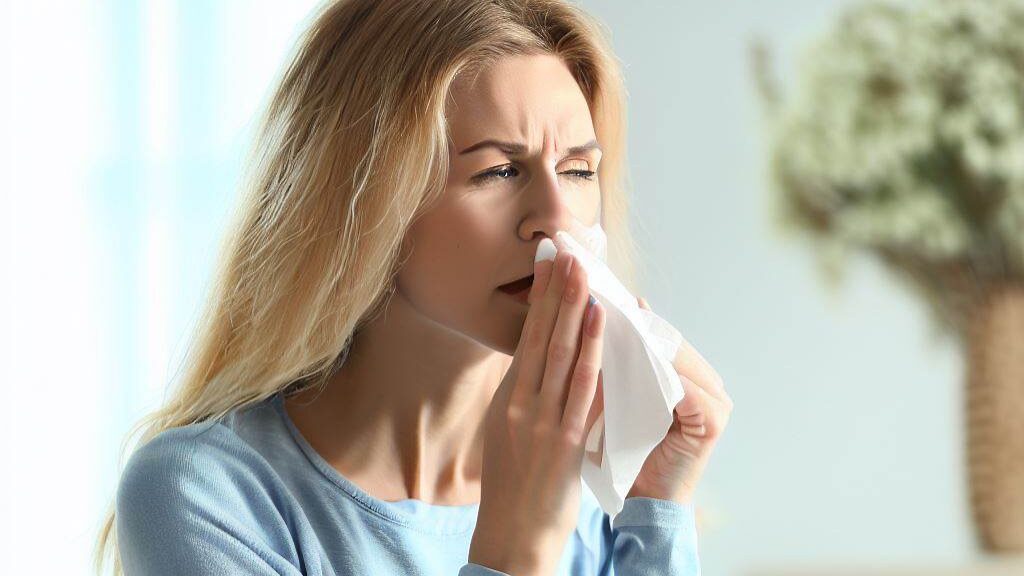
Allergic glossitis (also known as allergic contact stomatitis) is an inflammatory disease of the oral mucosa caused by an allergic reaction to certain substances with which the mucous membrane comes into contact.
Allergic glossitis may be caused by various substances such as food products (for example, nuts, seafood, fruits), medications, metals (especially nickel), oral hygiene products (toothpastes, mouth rinses), cosmetics, and other chemical substances.
Symptoms of allergic glossitis
- Swelling: The tongue, lips, gums, or other areas of the oral cavity may swell. The swelling can be mild or significant and is often accompanied by a feeling of tightness or discomfort in the affected area.
- Burning and itching: Patients may experience a burning or itching sensation in the mouth. This is usually associated with inflammation and irritation of the mucous membrane.
- Pain: The tongue or gums may be painful when touched or during eating. Pain can be localized or spread to other areas of the oral cavity.
- Changes in tongue appearance: The tongue may appear swollen, smooth, or wrinkled. Red or white patches may appear on the tongue or other areas of the oral cavity.
- Other symptoms: Some people may experience general allergic symptoms such as nasal congestion, red or watery eyes, sneezing, or coughing. This may indicate a systemic allergic reaction.
Symptoms of allergic glossitis may vary depending on severity and individual characteristics of the patient.
Causes of allergic glossitis
Allergic glossitis can be caused by an allergic reaction to various substances that come into contact with the oral mucosa.
- Food products: Some people may develop allergic reactions to certain foods such as nuts, dairy products, eggs, seafood, fruits, and others. When consuming such products, an allergic reaction may occur in the oral cavity, including glossitis.
- Medications: Some drugs may cause allergic reactions, including glossitis. For example, certain antibiotics (such as penicillins or sulfonamides), anti inflammatory drugs (such as aspirin), and anesthetic drugs may trigger allergic glossitis in some individuals.
- Metals: Nickel is a common allergen in the oral cavity. It may be present in dental prostheses, braces, jewelry, and other metal objects, causing allergic reactions in the oral mucosa.
- Oral hygiene products: Some toothpastes, mouth rinses, dental gels, and other oral care products may contain ingredients that cause allergic reactions in some people.
- Cosmetic products: Some individuals may be allergic to components found in lipsticks, lip balms, or other cosmetic products, which may cause glossitis.
- Parasitic infections, worms, fungi, viruses
Each person may have individual intolerance or allergic reactions to different substances.
Diagnosis of allergic glossitis
Diagnosis of allergic glossitis includes a number of methods and procedures that help identify the allergic reaction and determine its cause.
- Medical examination and medical history: The doctor conducts a detailed interview about your symptoms, medical history, and possible substances you come into contact with in daily life. This helps identify a connection between symptoms and possible allergens.
- Whole body assessment using the Medical Expert Complex system: immune system condition; allergens; viral load; bacterial load; fungal load; detected helminths; vitamin and micronutrient deficiencies; ENT organs; bronchopulmonary system; cardiovascular system; gastrointestinal tract; liver and gallbladder; pancreas; kidneys and urinary system; reproductive organs; musculoskeletal system; nervous system; endocrine system; non recommended foods.
- Skin tests: Small amounts of potential allergens are applied to the skin using pricks or patches. A reaction such as redness, swelling, or itching may indicate an allergy.
- Elimination of allergens: If a specific substance is suspected, the doctor may recommend avoiding it temporarily to observe symptom changes and confirm the relationship between the allergen and symptoms.
- Immunological tests: Blood tests may be performed to evaluate antibody levels and other immune markers associated with allergic reactions.
It is important to consult a doctor for professional evaluation and diagnosis of allergic glossitis. The specialist will determine the most appropriate diagnostic methods based on your symptoms and medical history.
Laboratory tests for allergic glossitis
Laboratory tests can be useful for confirming allergic reactions and identifying possible allergens.
- Immunological blood tests
- Complete blood count: allows assessment of general health status and detection of possible signs of inflammation.
- Immunological tests: include measurement of IgE (immunoglobulin E) levels in the blood. Elevated IgE may indicate an allergic reaction.
- Skin allergy tests: include pricks or patch testing with potential allergens applied to the skin. A positive reaction such as redness or swelling may indicate allergy.
- Prick tests: a small amount of allergen is introduced under the skin using a fine needle to evaluate the body’s reaction.
- Elimination tests: removing the suspected allergen from the diet or environment to observe symptom changes and confirm the link between allergen and allergic reaction.
The choice of specific laboratory tests depends on medical recommendations, symptoms, and patient history.
Treatment of allergic contact stomatitis
Treatment of allergic contact stomatitis, including allergic glossitis, may include the following approaches:
- Identification and avoidance of allergens: It is important to identify the substance causing the allergic reaction and avoid contact with it. This may include dietary changes, elimination of certain foods or medications, or avoiding exposure to chemicals such as nickel or other allergens.
- Local treatment of symptoms: Rinsing the mouth with a cool saline solution or gentle mouth rinses, using soothing gels or creams to reduce inflammation and itching.
- Anti inflammatory medications: A doctor may prescribe antihistamines or other anti inflammatory drugs to reduce swelling, itching, and pain.
- Corticosteroids: In some cases, topical corticosteroids may be prescribed for severe symptoms due to their strong anti inflammatory effect.
- Immunotherapy: In rare cases, allergen desensitization therapy may be required.
- Body detoxification program, antiparasitic program.
- Ozone therapy
- Lymphatic system cleansing
- Dietary adjustment
Types of ozone therapy for allergic glossitis
Ozone therapy may be used as an additional or alternative treatment method for allergic glossitis.
Ozone therapy is based on the use of ozone (O3), a molecule consisting of three oxygen atoms. It has anti inflammatory, antimicrobial, and immunomodulatory properties that may be beneficial in treating inflammatory conditions of the oral cavity, including allergic glossitis.
Methods of ozone therapy for allergic glossitis
- Ozonated water: used for mouth rinsing. It may help reduce inflammation and eliminate microorganisms.
- Ozonated oil: applied to affected areas of the oral cavity to reduce inflammation, speed healing, and relieve symptoms.
- Intravenous ozone therapy: in some cases used to support immune function and overall health.
- Rectal oxygen ozone insufflation
- ENT sanitation with oxygen ozone mixture
Hardware lymphatic drainage massage for allergic glossitis
Hardware lymphatic drainage massage (pressotherapy) is used as an additional therapeutic method for allergic glossitis.
Lymphatic drainage therapy aims to stimulate the lymphatic system, helping remove toxins, inflammatory mediators, and excess fluid from tissues, as well as improving immune activity.
Benefits of lymphatic drainage massage for allergic glossitis:
- Improved lymphatic circulation: helps remove inflammatory mediators and allergen related substances from affected tissues.
- Reduction of swelling and inflammation: enhances lymph flow and reduces fluid accumulation in tissues, relieving symptoms.
- Increased immune activity: supports immune system function and improves the body’s response to allergic reactions.
Influence of worms, fungi, and parasites on allergic glossitis
Worms, fungi, and other parasites may influence the immune system and contribute to allergic reactions, including allergic glossitis.
- Immune response: parasites and fungi can trigger immune reactions that may lead to inflammation and allergy symptoms.
- Barrier function disruption: they may damage protective mucosal barriers, increasing allergen penetration.
- Immune regulation imbalance: they may disrupt immune balance and increase susceptibility to allergic reactions.
However, parasites are not the only cause of allergic glossitis. Each case requires individual medical evaluation.
Body cleansing in allergic glossitis
Body detoxification in allergic glossitis is used to reduce the burden on the immune system, improve liver function, eliminate toxins, relieve constipation, remove parasites and fungi, support weight regulation, and improve overall health.
- Whole body assessment using the Medical Expert Complex system as described above.
After identifying the cause, the medical center “Alternative” provides a full body restoration program based on the author’s method developed by the chief physician Olga Vladimirovna Timchenko.
Outpatient or inpatient cleansing program (5–10 days) helps eliminate toxins, restore metabolism, reduce weight, and improve the function of the digestive, lymphatic, and circulatory systems.
Examinations: abdominal ultrasound, laboratory tests, and full body assessment using the Medical Expert Complex system.
Detox program: accommodation, nutrition, herbal teas, massages, ozonated water, rectal ozone oxygen insufflation, ear canal insufflation, cleansing enemas, gallbladder and liver drainage (tubage), intestinal cleansing.
- Ozone therapy: intravenous, rectal, ENT sanitation, ozonated water, ozonated oil
- Antiparasitic programs
- Pressotherapy: lymphatic system cleansing
- Visceral massage: internal organ massage that supports metabolism, reduces intestinal spasms, helps cleanse mucus and parasites, reduces visceral fat, and improves liver, gallbladder, and pelvic organ function
General recommendations after detoxification
- Proper nutrition: follow a balanced diet including vegetables, fruits, nuts, greens, and lean proteins. Avoid processed foods, refined sugar, artificial additives, and allergens that may worsen allergic reactions.
- Adequate water intake: helps eliminate toxins through the kidneys and urinary system.
- Moderate physical activity: improves blood and lymph circulation, supporting detoxification.
- Avoid harmful habits: smoking and alcohol negatively affect immune function and increase inflammation.
- Stress management: techniques such as yoga, meditation, and breathing exercises help support immune balance and overall health.