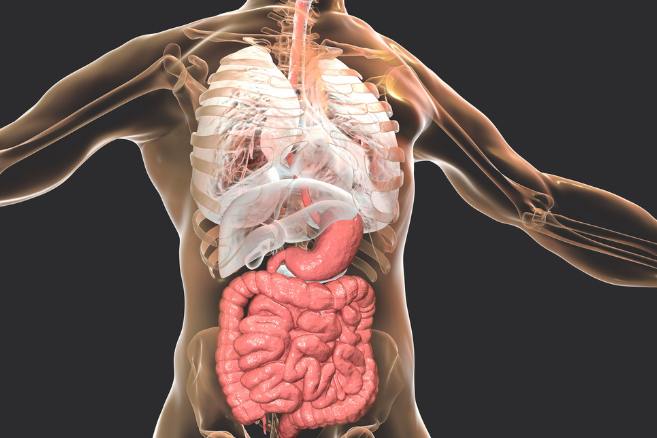
Small intestinal cleansing in liver diseases is part of a method for restoring liver and gallbladder function.
Liver diseases require professional treatment; intestinal cleansing is a therapeutic measure for liver support.
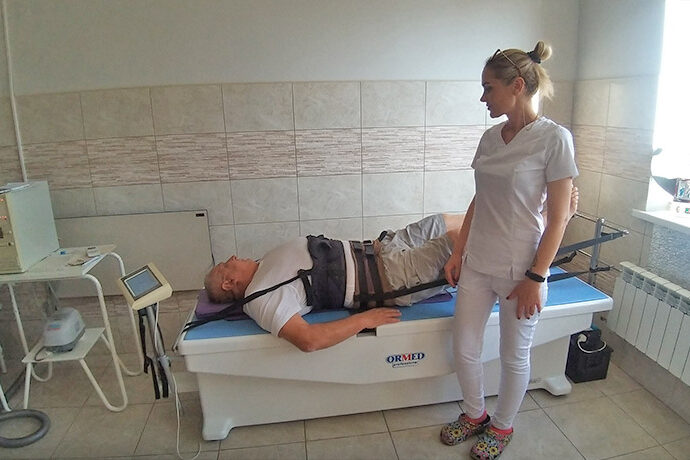
At the “Alternativa” Medical Center, a small intestinal cleansing procedure is performed, lasting about 2 hours. Patients drink a special saline solution designed to cleanse the microvilli of the small intestine and restore its function.
Function of the small intestine in the treatment of liver diseases
The small intestine performs several important functions in the treatment of liver diseases:
- Absorption of nutrients. The small intestine plays a key role in absorbing nutrients from food. In liver diseases, especially those that impair digestion, maintaining optimal nutrition is important. A doctor may recommend a specially designed diet for patients with liver diseases to ensure adequate nutrition and reduce the burden on the liver.
- Drug metabolism. The liver is responsible for drug metabolism. The small intestine is involved in the absorption and distribution of medications; therefore, in liver treatment it is important to consider the effects of food and drugs on both the liver and the intestine.
- Reducing the load on the liver. Especially in chronic liver diseases such as cirrhosis, it is important to follow a diet that reduces the burden on the liver and allows it to recover. This includes limiting certain fats and proteins in the diet.
The overall strategy for treating liver diseases includes a comprehensive effect on the liver, digestive system, and the patient’s overall condition. Physicians at the “Alternativa” Medical Center determine the optimal treatment and diet program based on the specific disease and individual patient characteristics.
In addition to the above functions, the small intestine plays several other important roles in the body related to liver diseases:
- Immune system regulation. Most immune cells in the body are located in the intestine. Liver diseases affect the immune system. The small intestine plays an important role in regulating immune responses and is linked to the immunological aspects of liver diseases.
- Synthesis of vitamins and metabolites. Some important vitamins (e.g., vitamin K) are synthesized in the intestine. In liver diseases, especially those affecting digestion, vitamin and metabolite deficiencies may occur. The small intestine affects their absorption.
- Protection against infections. The intestinal mucosa contains immune cells and acts as a barrier against harmful microorganisms. Liver diseases reduce intestinal protective functions, increasing the risk of infections and inflammation.
- Regulation of blood sugar levels. The small intestine participates in carbohydrate absorption and blood sugar regulation. In certain liver diseases, such as cirrhosis, sugar metabolism may be impaired, requiring a specific diet and glucose monitoring.
- Toxin elimination. The small intestine participates in filtering and removing toxins from the blood. In liver diseases, especially when liver function is impaired, the intestinal burden of toxin elimination increases.
- Mucus secretion and mucosal protection. The small intestine produces mucus that helps protect and lubricate its lining from irritation and harmful factors such as acids and pathogens.
- Participation in digestion. The intestine also helps mix and process food together with the stomach and other digestive organs, facilitating digestion and nutrient absorption.
Liver diseases affect these small intestinal functions; therefore, it is important to consider the interconnection between these organs and maintain their health during treatment.
How does impaired small intestinal function affect the liver?
- Nutrient absorption. The small intestine is essential for nutrient absorption. When its function is impaired, deficiencies of vitamins, minerals, and proteins occur, which negatively affects liver health and its regenerative capacity.
- Drug metabolism disruption. The liver processes many medications. Impaired intestinal function affects drug absorption and distribution, altering their effectiveness and safety.
- Increased liver load. If digestion in the small intestine is disrupted, toxins and undigested food accumulate in the body. The liver must work harder, increasing the risk of liver damage and disease development.
- Inflammation and mucosal damage. Impaired intestinal function leads to inflammation and damage of the intestinal lining, allowing bacteria and toxins to enter the bloodstream, negatively affecting the liver.
- Blood sugar imbalance. Intestinal dysfunction affects blood glucose levels, worsening liver conditions, especially those related to sugar metabolism.
Maintaining small intestinal health and following medical recommendations during liver disease treatment is important, as these organs are functionally interconnected within the digestive system.
- Antioxidant deficiency and liver protection. The small intestine helps absorb antioxidants and protective nutrients from food. Poor digestion reduces antioxidant intake, increasing liver damage risk.
- Inflammation and leaky gut syndrome. Intestinal dysfunction may lead to increased intestinal permeability, allowing harmful substances and bacteria to enter the bloodstream, causing inflammation and liver damage.
- Protein and amino acid deficiency. The small intestine is involved in protein and amino acid absorption. Their deficiency negatively affects liver function and regeneration.
- Bile system interaction. The small intestine participates in fat digestion with bile from the gallbladder. Disruption may contribute to gallstones and biliary disease, increasing liver strain.
- Gut microbiota imbalance. The small intestine supports healthy microbiota. Dysbiosis leads to systemic inflammation affecting the liver.
- Ammonia and nitrogen waste absorption. The small intestine participates in removing nitrogenous waste. In liver disease, this process is impaired, leading to toxin accumulation.
- Reduced liver regeneration capacity. When digestion is impaired, the liver receives fewer nutrients needed for regeneration, slowing recovery.
All these factors highlight the importance of maintaining a healthy digestive system and protecting small intestinal function for overall health, including liver health.
Digestive system disorders, including small intestinal dysfunction, affect liver health due to the close interaction between these organs. Therefore, a healthy lifestyle and careful attention to digestive health are essential to reduce the risk of liver disease.