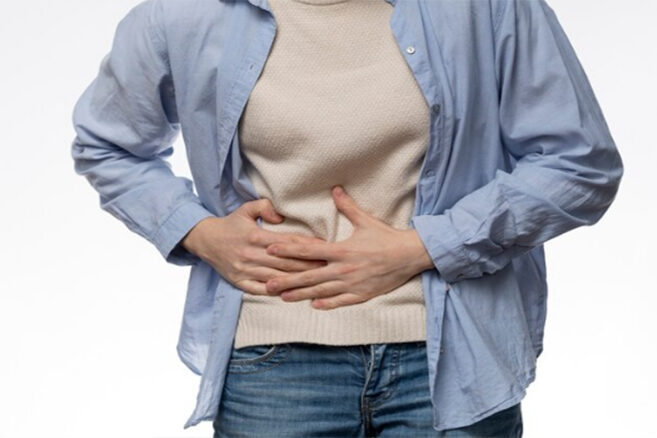

Dysbacteriosis is a нарушение of the normal balance of microorganisms in the intestines, when the number of “beneficial” bacteria decreases and the number of “harmful” bacteria increases.
The impact of dysbacteriosis on the liver may be associated with several factors:
- Liver inflammation: An imbalance of microorganisms in the intestines can lead to increased intestinal permeability and the transfer of harmful bacteria and their toxins into the bloodstream. This can cause liver inflammation, as it is the first organ that filters blood from the digestive system.
- Metabolic changes: Dysbacteriosis can lead to changes in metabolic processes in the body, including metabolism in the liver. Some types of bacteria may produce substances that directly or indirectly affect liver function and its ability to metabolize medications and toxins.
- Immune system disruption: A healthy intestinal microflora plays an important role in maintaining the normal functioning of the immune system. When there is an imbalance of microorganisms, changes in immune regulation occur, which may affect liver function, as it actively participates in immune responses.
- Gallstones: Dysbacteriosis may be associated with the formation of gallstones. Some types of bacteria can alter the chemical composition of bile and contribute to stone formation. This can lead to impaired function of the liver and gallbladder.
If you have specific problems with the liver or intestines, it is recommended to consult a doctor at the medical center “Alternative” for specific recommendations.
How to restore the body in case of dysbacteriosis using natural remedies?
Dysbacteriosis, or dysbiosis, is usually associated with a disruption of the normal balance of microorganisms in the intestines, which can cause various symptoms such as diarrhea, constipation, bloating, and other digestive problems. Treatment of dysbacteriosis should include not only natural remedies but also consultation with a doctor, as it is important to identify and eliminate the underlying cause.
Natural remedies can help improve intestinal condition and restore the normal microbiome, but they should not replace professional medical treatment. Here are some natural methods that may be useful in combination with a doctor’s recommendations:
- Probiotics: Probiotic products such as yogurt with live cultures, kefir, sauerkraut, and other fermented foods can help restore healthy intestinal microflora.
- Prebiotics: Prebiotics are dietary fibers that promote the growth of beneficial bacteria in the intestines. Examples include whole grains, onions, garlic, and bananas.
- Inhalations: To relieve symptoms of dysbacteriosis, inhalations based on herbal decoctions such as succession, chamomile, or lemon balm can be prepared.
- Herbal teas: Herbal teas with calming and anti-inflammatory properties, such as lemon balm, thyme, or ginger tea, can help alleviate symptoms of dysbacteriosis.
- Proper nutrition: Pay attention to your diet. Avoid excessive consumption of sugar, fats, and processed foods. Increase intake of fiber and vegetables.
- Stress reduction: Stress can negatively affect intestinal health. Practicing relaxation and stress management can be beneficial.
- Body cleansing program using ozone therapy methods
- Outpatient or inpatient cleansing program for 5–10 days. Body cleansing helps remove toxins and waste products, restore metabolism, reduce weight, and normalize the function of the intestines, liver, gallbladder, lymphatic, and circulatory systems.
- Examination: Ultrasound of abdominal organs, laboratory tests; analysis of the body’s condition using the Medical Expert Complex.
- Detoxification program: Accommodation; nutrition; herbal teas; massages; ozonated water; rectal insufflations with ozone-oxygen mixture; ear canal insufflation with ozone-oxygen mixture; cleansing enemas; blind probing of the gallbladder and liver (tubage); cleansing of the small and large intestine (orthograde)
- Ozone therapy: intravenous, rectal insufflations, sanitation of upper respiratory tract with ozone-oxygen mixture, intake of ozonated water, ozonated oil
- Antiparasitic programs
- Pressotherapy: cleansing of the lymphatic system
- Visceral massage – massage of internal organs: helps normalize metabolic processes, reduce intestinal spasms, cleanse mucus and parasites, burn visceral fat, activate the liver and gallbladder, and pelvic organs
- Spinal traction using the “Ormed-Professional” device
- Photon therapy
- Duodenal intubation of the gallbladder