
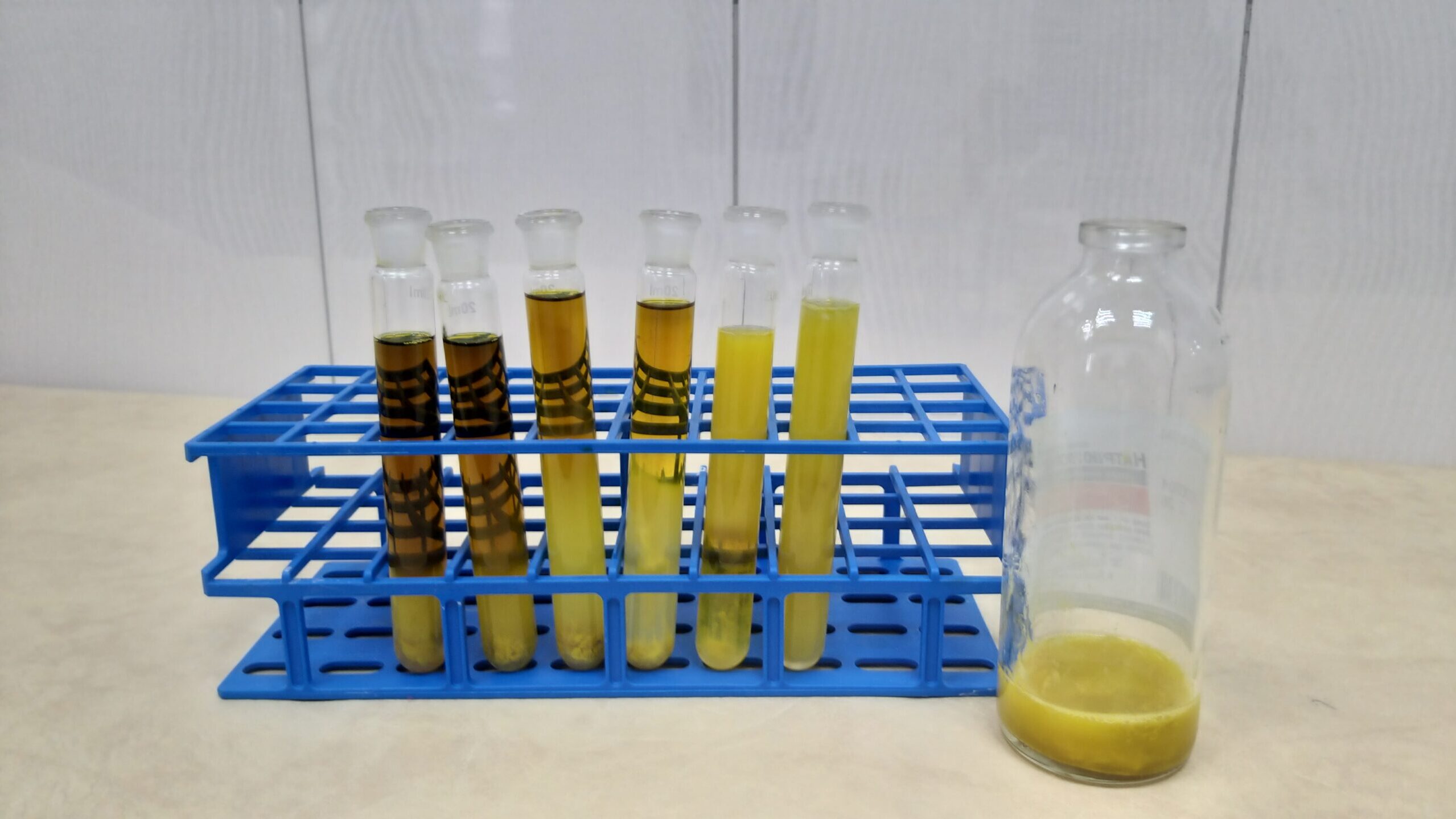
Irritable bowel syndrome (IBS) – a chronic functional disorder of the gastrointestinal tract, accompanied by abdominal pain, bloating, and stool disturbances (constipation, diarrhea, or their alternation). Despite the fact that irritable bowel syndrome does not cause structural changes in the intestines, its symptoms significantly reduce quality of life.
One of the important stages in the diagnosis and treatment of irritable bowel syndrome is duodenal intubation, which makes it possible to identify disorders of the biliary system and functional gastrointestinal disturbances that often accompany the syndrome. At the medical center «Alternative», duodenal intubation of the gallbladder is performed by a highly qualified gastroenterologist who takes into account the individual characteristics of each patient.
Causes and mechanisms of development of irritable bowel syndrome
Irritable bowel syndrome is considered a multifactorial disease, the causes of which include:
- Impaired intestinal motility: slowing down or acceleration of peristalsis
- Intestinal hypersensitivity: increased response to stretching of the intestinal walls
- Microflora imbalance: disruption of the composition of intestinal bacteria
- Psycho-emotional factors: stress, anxiety disorders, depression
- Dietary factors: intolerance to certain foods
- Associated pathologies: biliary dyskinesia, chronic gastritis, cholecystitis
Main symptoms of irritable bowel syndrome
- abdominal pain and cramps, often decreasing after defecation
- bloating, flatulence
- changes in stool pattern (diarrhea, constipation, or alternation)
- feeling of incomplete bowel emptying
- fatigue, decreased concentration
The role of duodenal intubation in irritable bowel syndrome
Diagnostic objectives of duodenal intubation
- Identification of functional disorders: assessment of the gallbladder and biliary tract function, often involved in IBS pathogenesis
- Bile analysis: detection of inflammatory processes, parasites, imbalance in bile composition
- Exclusion of organic pathology: assistance in differential diagnosis between IBS and diseases of the liver, pancreas, and gallbladder
Therapeutic objectives of duodenal intubation
- Stimulation of bile secretion: elimination of bile stagnation, improving digestion
- Elimination of dyskinesia: normalization of biliary tract motility
- Detoxification: flushing of bile ducts helps remove toxins and inflammatory products
- Reduction in IBS exacerbations: regular stimulation of the gastrointestinal and biliary systems
- Prevention of complications: prevention of secondary diseases associated with bile stagnation and impaired intestinal motility
Duodenal intubation procedure at the MC «Alternative»
Before the procedure, the patient is recommended to:
- follow a special diet excluding fatty and heavy foods 2–3 days before the procedure
- last meal – 10–12 hours before the procedure
- avoid medications affecting gastrointestinal secretion and motility (as agreed with the doctor).
Procedure stages
- Administration of medications to stimulate bile secretion and eliminate stagnation
- Insertion of the probe: the probe is carefully inserted through the mouth and advanced to the duodenum
- Collection of bile portions:
- Portion A: contents of the common bile duct
- Portion B: bile secretion from the gallbladder
- Portion C: secretion of intrahepatic ducts
At the medical center «Alternative», the procedure is performed using a thin duodenal probe, minimizing discomfort for the patient.
Effectiveness of duodenal intubation in irritable bowel syndrome
- Normalization of digestion: elimination of bloating, flatulence, discomfort
- Improvement of intestinal motility: restoration of normal bowel movement rhythm
- Pain reduction: elimination of spasms due to normalization of gastrointestinal function
- Reduced risk of chronic inflammation of the gallbladder
- Prevention of dysbiosis and its complications
According to the medical center, more than 90% of patients with IBS who have undergone a course of duodenal intubation report significant improvement in symptoms.
Comprehensive approach to the treatment of irritable bowel syndrome
Individual treatment plan for irritable bowel syndrome:
- Body detoxification program
- carried out in inpatient or outpatient settings
- accommodation in double or single rooms for 5–10 days, or outpatient procedures
- program effectiveness: reduction of IBS symptoms (pain, bloating, constipation, diarrhea), restoration of intestinal microflora, normalization of gastrointestinal function, improvement of immune system condition, reduction of inflammation.
- Examination
- consultation with a gastroenterologist
- abdominal ultrasound and other types of ultrasound
- comprehensive examination using the Medical Expert Complex (MEC): detection of parasites, viruses, bacterial infections, allergies, vitamin and micronutrient deficiencies, food intolerances
- stool tests for dysbiosis, occult blood, and parasites.
- Detox program includes:
- intestinal cleansing: cleansing of large and small intestines, intestinal sanitation with an ozone-oxygen mixture, micro-enemas with ozonated oil, intake of ozonated water
- anti-inflammatory and antiparasitic herbal teas
- visceral massage – abdominal massage to improve intestinal motility and relieve spasms
- oil-acid tubage: helps relieve constipation, improves bile flow, and restores intestinal microflora
- phytotherapy: use of herbal remedies to improve digestion, reduce bloating, and relieve inflammation
- Diet therapy
- selection of a diet that reduces intestinal load and irritation of the mucosa
- recommendations for eliminating foods that cause bloating and intolerance
- Physiotherapy
- pressotherapy to improve circulation and reduce inflammation
- visceral therapy (internal organ massage) to relieve spasms, improve motility, and stimulate lymphatic drainage
- spinal traction using the “Ormed-Professional” device
- Drug therapy
- medications to relieve spasms, normalize intestinal motility, and improve microflora (probiotics, prebiotics)
- anti-inflammatory and enzyme preparations
- antiparasitic drugs
- Ozone therapy
- intravenous ozonated saline, major autohemotherapy to improve overall condition, reduce inflammation, and strengthen immunity
- intestinal sanitation with ozone-oxygen mixture, ENT sanitation with ozone-oxygen mixture to normalize microflora and eliminate pathogens
- Psychological support
- consultation with a psychologist to address emotional triggers of IBS (stress, anxiety)
- use of cognitive-behavioral therapy methods to reduce symptoms
A comprehensive approach allows not only to relieve IBS symptoms but also to eliminate its causes, restore normal gastrointestinal function, and improve the patient’s quality of life.
Contraindications and possible complications of duodenal intubation of the gallbladder
Although duodenal intubation is safe, the procedure has contraindications:
- acute infectious and inflammatory diseases of the gastrointestinal tract
- peptic ulcer disease in the acute stage
Patient results of irritable bowel syndrome treatment
Patients report:
- reduction of pain syndrome and normalization of bowel function
- high level of professionalism of the medical staff
- comfortable conditions during the procedure and attentive care
Duodenal intubation is not only an effective diagnostic method but also an important part of the comprehensive treatment of irritable bowel syndrome. The procedure helps eliminate disorders in the biliary system, improve gastrointestinal condition, and prevent complications.
At the medical center «Alternative», duodenal intubation is performed according to the highest quality standards, taking into account individual patient needs. By contacting the center, you can be confident in a professional approach and positive treatment results.