Therapeutic fasting, known as an effective method of detoxification and body recovery, is used in the treatment of allergic diseases. At the medical center «Alternativa» a unique therapeutic fasting program has been developed, aimed at cleansing the body and reducing allergic reactions. The program consists of several stages that help the body eliminate toxins, strengthen the immune system, and reduce hypersensitivity to allergens.
Stages of Therapeutic Fasting for Allergies
-
Preparation Stage (5 days)
Before starting fasting, it is important to prepare the body to облегчить the cleansing process. Patients are advised to switch to a vegetarian diet, excluding animal proteins that contribute to inflammation and increased body sensitivity. At this stage, detoxification of the liver, kidneys, and lymphatic system is carried out using special herbal preparations and gentle cleansing procedures, including enemas and visceral massage.
-
Therapeutic Fasting (5–10 days)
Depending on the patient’s condition, fasting lasts from 5 to 10 days. At this stage, the body actively begins to eliminate toxins and allergens. The patient is under constant medical supervision, with doctors monitoring their condition and vital indicators such as blood sugar levels, blood pressure, and electrolyte balance. During fasting, patients are advised to consume water, which promotes rapid toxin elimination and reduction of allergic reactions.
- Recovery Stage (5 days)
Exiting fasting occurs gradually, starting with light liquid food intake. The doctor, together with the patient, selects an individual diet aimed at reducing the allergic load. The recovery stage includes consuming foods that do not trigger allergies and is focused on restoring digestive system function.
How Does Therapeutic Fasting Help with Allergies?
Allergic reactions are often the result of toxin accumulation and immune system dysfunction.
Therapeutic fasting promotes detoxification by clearing the body of allergens and metabolites that trigger inflammatory reactions. Fasting stimulates autophagy processes, where the body begins to use its own resources for regeneration and cleansing. This leads to reduced inflammation, normalization of immune function, and elimination of allergic symptoms.
Diagnostics and Condition Monitoring
Before starting therapeutic fasting, a full examination of the body is conducted to identify possible contraindications. The program includes the following diagnostic measures:
- general and biochemical blood tests
- ultrasound of abdominal organs and kidneys
- bioimpedance body composition analysis
- electrocardiogram
Additionally, the Medical Expert Complex (MEC) is used to diagnose allergic reactions and assess toxic load. Screening allows detection of allergens, bacteria, fungi, and viruses affecting the patient’s condition.
Additional Procedures in the Body Cleansing Course
To enhance the effect of therapeutic fasting for allergies, additional therapeutic methods are used:
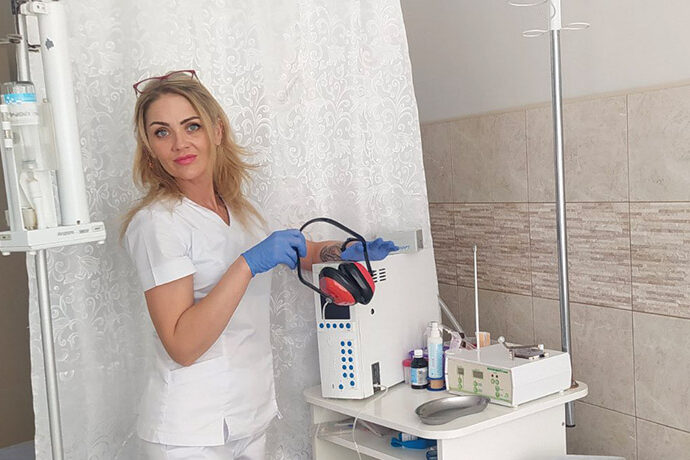
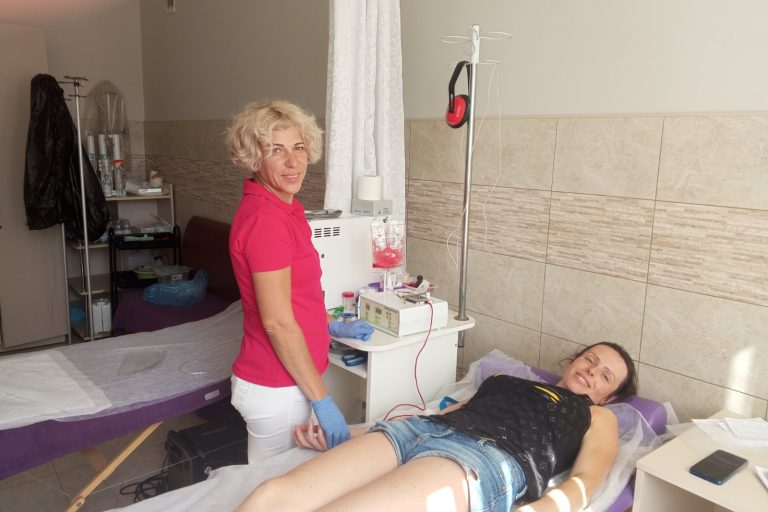
- Ozone therapy. Ozonation of blood and tissues helps improve microcirculation, increase oxygen levels in cells, and accelerate toxin elimination. This is especially important in allergy treatment, as the ozone-oxygen mixture has a strong anti-inflammatory and immunomodulating effect.
- Pressotherapy helps activate the lymphatic system and accelerate toxin removal, significantly relieving the condition of patients with allergies.
- Rectal insufflations with ozone-oxygen mixture are aimed at cleansing the intestines from toxins and pathogenic microorganisms to support immune health.
- Visceral therapy is an effective addition to therapeutic fasting in allergy treatment. The method is aimed at normalizing the function of internal organs through manual воздействие on the abdominal cavity and digestive organs. In allergies, visceral therapy helps improve the function of the liver, gallbladder, pancreas, and intestines, promoting better detoxification from toxins and allergens. Therapeutic fasting, in turn, also contributes to detoxification, reduction of inflammatory processes, and regulation of the immune system. The combination of these methods improves metabolic processes, reduces the load on the immune system, and helps eliminate allergy symptoms.
- Herbal steam sauna — gentle body warming in a sauna helps activate sweating processes, eliminating toxins through the skin, which helps reduce allergic manifestations.
- Spinal traction using the “Ormed-Professional” device — a useful addition to therapeutic fasting for allergy treatment. Spinal traction is aimed at improving the condition of the spine and musculoskeletal system, which affects overall body health. Hardware traction helps relieve tension in the spine, improve blood circulation and lymphatic drainage, and normalize nervous system function in allergies associated with chronic inflammation and stress. Therapeutic fasting contributes to detoxification, reduction of inflammation, and normalization of immune system function. In combination with spinal traction using the “Ormed-Professional,” a synergistic effect is created: tissue nutrition improves, nerve tension is relieved, helping the body cope more effectively with allergic reactions.
Results and Continuation of Therapy
After completing the therapeutic fasting program, the condition of patients with allergies significantly improves.
In most cases, a reduction or complete disappearance of allergic symptoms is observed, such as rashes, itching, swelling, and rhinitis. Patients note improved overall well-being, increased energy levels, and normalization of digestive system function.
After completing the fasting course, it is recommended to undergo a food intolerance test to exclude products that trigger allergic reactions.
Patients are also offered an individualized nutrition program and continuation of regular detox procedures to maintain achieved results.
Therapeutic fasting for allergies is not just body cleansing but also an effective way to restore immune system function.
Under specialist supervision in inpatient conditions, therapeutic fasting allows achieving significant health improvements and reducing the risk of recurrence of allergic diseases.