In recent years, therapeutic fasting has become a popular method for restoring health, prolonging youth, and improving well-being. The author’s program by Olga Timchenko at the medical center “Alternativa” includes a controlled complete fast lasting 15 days under medical supervision. This approach helps the body cleanse from toxins, normalize metabolism, activate regenerative processes, and improve overall well-being.
Why is fasting considered beneficial?
Research confirms that calorie restriction or intermittent fasting reduces the risk of diabetes, cardiovascular diseases, cancer, and neurodegenerative processes, extends lifespan, and supports healthy weight. Fasting activates autophagy – the process of clearing damaged cellular structures, reduces inflammation, and improves insulin sensitivity.
What happens to the body each day during fasting?
Day 1
The body uses glucose reserves for energy. Within 8–12 hours, gluconeogenesis begins – the production of glucose from internal reserves.
Days 2–3:
Glycogen stores are depleted, and the body begins breaking down fats to produce ketones. Acute hunger disappears, and mental clarity increases.
Days 4–5:
Active detoxification phase: toxins are eliminated through the skin, intestines, and lungs. Deep cellular cleansing processes are initiated.
Days 6–10:
The body uses fat reserves as the primary energy source. Tissue rejuvenation begins, cells are renewed, and blood vessels are cleansed.
Days 11–15:
Consolidation phase: hormonal balance and immune system restoration, normalization of blood pressure, and improvement of skin, digestive organs, and joints.
Fasting for weight loss: myth or reality?
Fasting helps reduce weight, but the main goal is health improvement. Losing 5–10 kg is a natural result of detoxification and metabolism normalization. Scientific evidence shows that continuous or intermittent fasting has a better effect on weight reduction than short-term radical fasts.
The psychological factor is important: strict restrictions often lead to overeating after fasting. It is essential to maintain a rational diet after completing the practice.
Positive effects of therapeutic fasting:
- cleansing the body of waste and toxins
- normalization of hormonal balance
- reduction of chronic disease risk
- strengthening immunity
- improved sleep quality and psycho-emotional state
- prevention of oncological diseases
Contraindications for fasting:
- Type 1 diabetes
- Eating disorders
- Pregnancy, lactation
- Acute infections
Consultation with a physician and comprehensive examination are required before starting.
How to safely break a fast?
- First 2–3 days – light vegetable broths, juices, herbal teas.
- Next – boiled vegetables, fermented dairy products.
- Gradual return to regular meals.
It is important to drink enough water and avoid overeating and heavy foods. The refeeding stage is a critical step that consolidates results and helps the body adapt.
15-day therapeutic fasting by Olga Timchenko is an effective tool for deep detoxification, health restoration, and prevention of many chronic diseases. This practice not only helps lose excess weight but also significantly improves quality of life. It is important to remember: fasting requires medical supervision and an individualized approach.
How is the therapeutic fasting course conducted at the medical center “Alternativa”?
Home preparation stage
The first stage includes preliminary diagnostics – lab tests, consultation with a doctor, and individual selection of the fasting scheme. A gradual transition to light meals begins, excluding certain foods for gentle adaptation of the body.
Detox stage at the clinic (5 days)
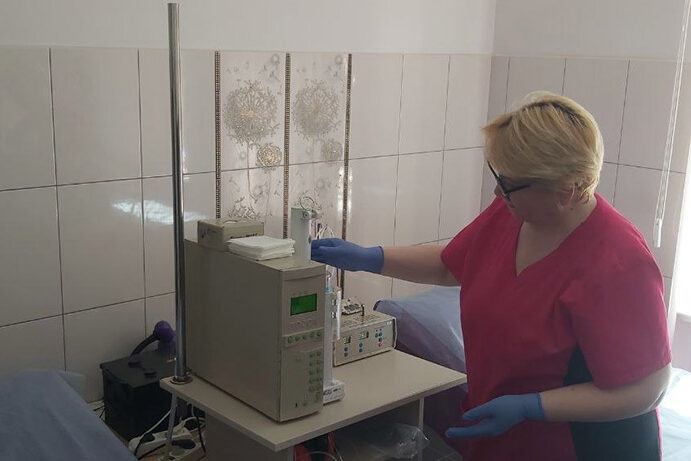
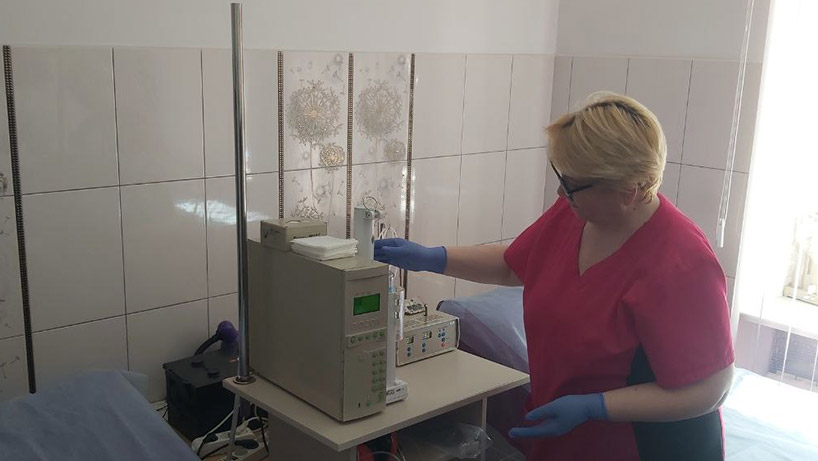
At the clinic, the patient undergoes an inpatient detox program, which includes accommodation in comfortable conditions (single or double room), medical examination (doctor consultation, ultrasound, ECG, lab diagnostics for viruses, parasites, vitamin and mineral deficiencies using the Medical Expert Complex).
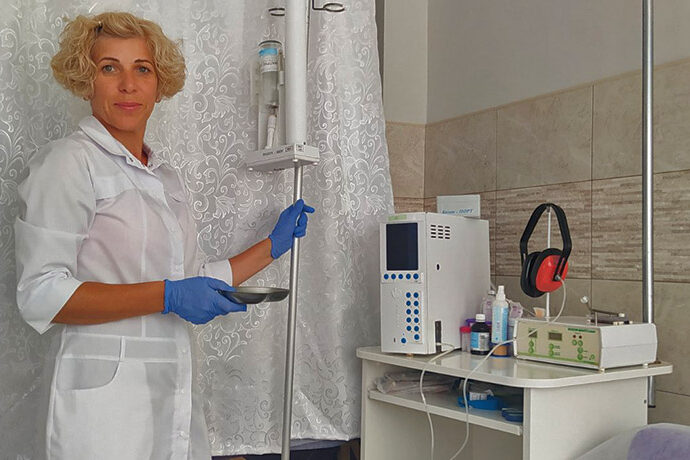
The cleansing program includes juice therapy, raw food, detoxification of intestines, liver, kidneys, and gallbladder, and herbal therapy. Additional procedures include massages, ozone therapy (microinjections, ozonated water, intravenous administration), intestinal sanitation with ozone-oxygen mixture, and visceral therapy to activate lymph flow and support immunity.
Therapeutic fasting period (5 days)
During the course, the patient is under constant medical supervision.
Breaking the fast (5 days at the clinic)
The gradual return to regular meals is conducted under specialist supervision. Emphasis is placed on light foods that support enzyme activity and microbiome balance. An individualized diet is developed to maintain stable weight normalization.
Post-fasting period at home (5 days)
The patient receives ongoing support through monitoring, recommendations, and follow-up examinations. Further nutrition programs are formed to consolidate the achieved results.